ice makers
Why Did My Ice Maker Stop Making Ice?
The 8 most common reasons a countertop ice maker stops producing ice — from simple fixes you can do in 30 seconds to signs of a deeper mechanical issue.
Published February 18, 2024
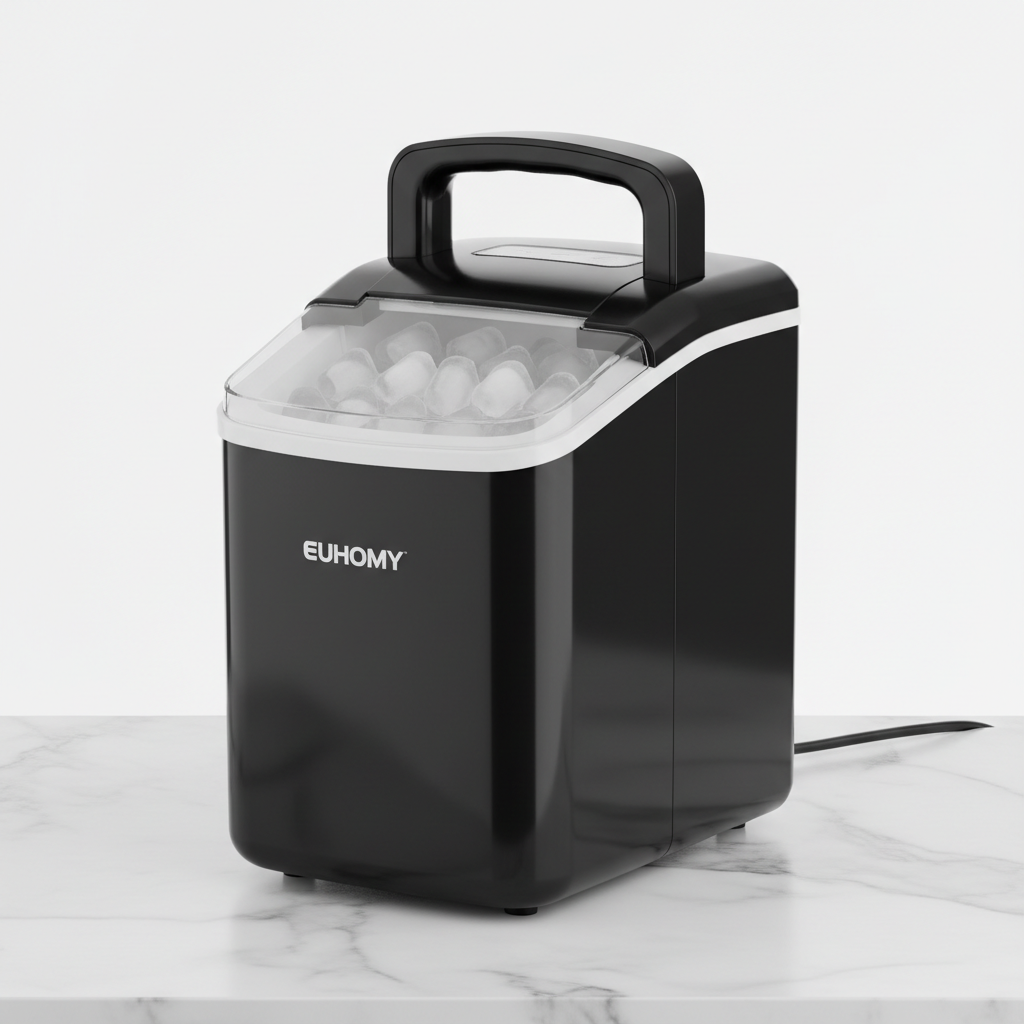
Table of Contents
1. The Ice Basket Is Full
The most common cause — and the easiest fix. Every countertop ice maker has an infrared or physical sensor that detects when the ice basket is full. When it senses a full basket, it pauses ice production automatically to prevent overflow.
Fix: Empty the ice basket. Production should resume within 1–2 minutes. If you're not using all the ice being produced, consider making ice on-demand rather than running the machine continuously.
2. Water Level Is Too Low
The machine requires a minimum water level to operate. If the reservoir drops below the minimum line, the machine stops and displays a "add water" indicator (varies by model — check your manual for the indicator light pattern).
Fix: Refill the water reservoir with cold, clean water to the MAX line. The machine should resume within 1–2 minutes. Note: if you just filled the reservoir and the water indicator is still showing, check that the float sensor in the reservoir isn't stuck.
3. Mineral Buildup on Freezing Rods
Calcium and magnesium deposits from hard water accumulate on the metal freezing rods (the components that water freezes onto to form ice cubes). Heavy buildup acts as an insulating layer, preventing the rods from getting cold enough to freeze water properly. The machine may start cycles but abort early, or stop production entirely.
Fix: Run a full self-cleaning cycle with citric acid solution. In most cases, production improves or resumes completely after one deep clean. This is the most underestimated cause of ice maker problems.
→ Full guide: How To Clean Your EUHOMY Ice MakerAmazon Associate link — we may earn a commission
View EUHOMY Ice Maker on Amazon$89.99
4. Ambient Temperature Is Too High
Countertop ice makers are rated for ambient (room) temperatures up to approximately 90–95°F. Above this threshold, the compressor cannot achieve the cooling differential needed to freeze water on the freezing rods. The machine may run but produce no ice, or produce very small, soft ice before stopping.
Fix: Move the machine to a cooler location. If the machine is in a hot garage, near a stove, or in a room without air conditioning during summer, this may be the cause. Running the machine in the early morning when temperatures are lower can also help.
5. Blocked Ventilation
Ice makers need 4–6 inches of clearance on all sides for airflow. The compressor exhausts heat through grilles on the back and sides of the machine. If these are blocked — by a wall, cabinet, towel, or other appliances — the machine overheats and reduces or stops production.
Fix: Check all sides and the back of the machine. Ensure nothing is blocking the ventilation grilles. Clean dust from the grilles with a soft brush or vacuum.
6. Ice Level Sensor Issue
The infrared or mechanical sensor that detects a full ice basket can become dirty, misaligned, or faulty. A dirty sensor may "see" a full basket when it's empty, stopping production despite having room for more ice.
Fix: Clean the sensor (usually a small window or tab inside the machine above the ice basket) with a clean, damp cloth. Also check for ice chunks that may be jammed under the sensor, triggering a false full-basket reading.
7. Compressor Problem
If none of the above fixes resolve the issue and the machine is 3+ years old, the compressor may be failing or have failed. Signs of compressor failure: the machine runs but never gets cold, the compressor makes loud new noises, or the machine shuts off repeatedly on thermal protection.
| Symptom | Likely Cause | Recommended Action |
|---|---|---|
| Machine runs, no cooling at all | Compressor or refrigerant failure | Replace machine |
| Loud new grinding noise | Compressor bearing wear | Replace machine soon |
| Machine shuts down after 5–10 min | Thermal overload / overheating | Check ventilation first, then consider replacement |
| Compressor hums but cycles off quickly | Electrical issue or start relay | Try start relay replacement (advanced DIY) |
Compressor issue diagnostics
8. Power or Electronic Issue
GFCI outlet tripped: Kitchen outlets are often GFCI-protected. If the outlet has tripped, the machine receives no power. Press the reset button on the outlet.
Control board fault: Perform a power-cycle reset: unplug for 60 seconds, plug back in. This clears most temporary electronic faults.
Cord damage: Inspect the power cord for visible damage. A damaged cord can cause intermittent power and unpredictable behavior.
Recommended General Products
Looking for products we personally recommend? See our complete list of trusted tools and recommended products.
Browse Recommended Products →Frequently Asked Questions
Related Articles
ice makers
EUHOMY Ice Maker Troubleshooting: Common Problems & Fixes
Read moreice makers
How to Clean Your EUHOMY Ice Maker (Step-by-Step Guide)
Read moreice makers
Why Is My Ice Maker Making Small or Hollow Ice Cubes?
Read moreice makers